

To select semi trucks strategically:
1. Evaluate Needs: Assess business type (long-haul/local) and typical routes.
2. Consider Features: Identify required attributes like payload capacity, fuel efficiency, safety features, and ergonomic design.
3. Budget Wisely: Set a budget ($20K-$150K+), explore financing options, and calculate ownership expenses ($0.50-$1.25 per mile).
4. Prioritize Performance: Choose powerful diesel engines for cost-efficiency. Modern tech offers significant fuel savings.
5. Match GVWR & Horsepower: Ensure compatibility with hauling needs, especially on challenging terrains.
6. Warranty & Support: Opt for manufacturers offering comprehensive warranties and reliable maintenance networks.
7. Safety First: Prioritize safety features like airbrakes, ABS, ESC, and advanced collision avoidance systems.
8. Test Drive & Compare: Test various models, compare online through platforms like semi truck auctions, and prioritize operational requirements while balancing safety, efficiency, and long-term costs.
Choosing the right semi truck is a significant decision for any business or individual in the transportation industry. With various makes, models, and specifications available, finding the perfect match can be an overwhelming task. This comprehensive guide aims to demystify the process by offering expert insights on selecting semi trucks tailored to specific needs. We’ll explore essential factors like cargo capacity, engine performance, fuel efficiency, and technology features, guiding you through the maze of options to help ensure a smart and successful investment in your next Select Semi Trucks.
- Understand Your Needs: Defining Purpose for Your Semi Truck
- Research Different Types: Exploring Cab Styles and Configurations
- Set a Budget: Financing Options and Cost Breakdown
- Assess Performance Metrics: Engine Power and Fuel Efficiency
- Safety Features Matter: Advanced Systems and Industry Standards
- Test Drive and Compare: Making an Informed Selection
Understand Your Needs: Defining Purpose for Your Semi Truck

Selecting a semi truck involves more than just picking a shiny new model. Understanding your specific needs is crucial to defining the purpose for your semi truck, ensuring it performs optimally and fits seamlessly into your operations. This process begins by evaluating two primary factors: the nature of your trucking business and the types of routes you’ll be navigating.
For instance, long-haul trucking demands a vehicle built for endurance on open highways, with features like advanced engines optimized for fuel efficiency and low maintenance costs over vast distances. Best routes for long-haul trucking typically involve straight, wide roads with minimal traffic, allowing for consistent speeds and reduced wear and tear. Electrical semi trucks are gaining traction in this sector due to their environmental benefits and lower operating costs, offering an overview of a more sustainable future for trucking. International semi truck models like the Freightliner Cascadia or the Peterbilt 579 have proven popular among long-haul operators thanks to their reliable performance and advanced safety features.
On the other hand, local delivery trucking requires agile maneuvers in dense urban environments, necessitating smaller, maneuverable vehicles equipped with advanced driver assistance systems (ADAS) for safety. Routes tend to be more winding and congested, making comfort and ergonomic design crucial factors. In contrast to long-haul trucks, local delivery semi trucks often prioritize payload capacity over extended range.
Before you Select a Semi Truck, consider these key aspects: identify your primary trucking needs, map out typical routes, and assess the specific features that align with your operations. This strategic approach ensures you invest in a semi truck that performs at its best, maximizing efficiency, safety, and profitability for your business.
Research Different Types: Exploring Cab Styles and Configurations
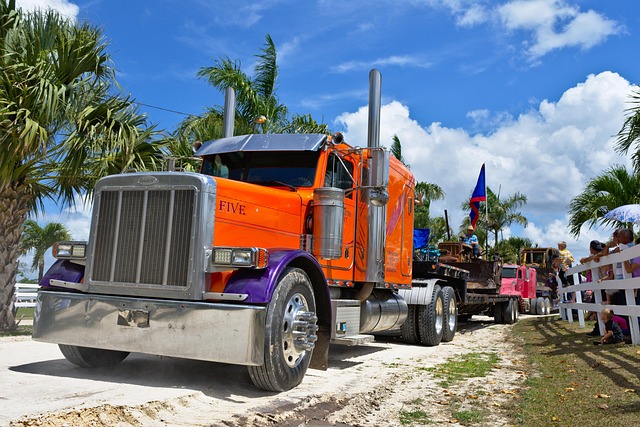
When seeking to Select Semi Trucks, understanding the diverse range of cab styles and configurations is a critical step. The cab, after all, is where the operator spends an extensive amount of time—up to 10 hours or more each day. Different models cater to varied driving preferences, comfort levels, and even specific tasks. For instance, traditional straight trucks offer a standard cab layout, ideal for local deliveries and short hauls, while semi-trucks designed for long haul trucking rigs boast spacious, ergonomic cabins designed for extended drives.
Exploring these options involves considering factors such as seat adjustments, steering wheel reach, and even in-cab technology. Modern advancements in long haul trucking have led to a focus on fuel efficiency, with many manufacturers now offering fuel-efficient semi trucks that prioritize sustainability without compromising performance. These innovations are not merely about cost savings; they reflect the evolving landscape of trucking, where environmental concerns are increasingly important.
Training for semi truck operators plays a significant role in making the most of these configurations. Understanding how to adjust settings and features to suit individual needs enhances comfort and safety during long drives. For instance, learning to adjust suspension systems, climate control, and mirrors can significantly reduce fatigue. This knowledge is especially crucial when operating large vehicles over long distances, where even minor adjustments can make a significant difference in driver comfort and overall efficiency.
Ultimately, the perfect semi truck is one that aligns with your specific operational needs and driving preferences. By thoroughly researching cab styles and configurations, and keeping an eye on advancements in fuel-efficient models, you’ll be well on your way to Select Semi Trucks that offer not just functionality but also unparalleled comfort and performance—vital elements for successful and sustainable long-haul trucking operations.
Set a Budget: Financing Options and Cost Breakdown

Selecting a semi truck involves careful consideration of your budget, operational needs, and long-term financial plans. Before diving into the market, establishing a clear budget range is essential. This process will guide you in making informed decisions and ensuring you get the best value for your investment. One of the primary factors to consider is the initial purchase price, which can vary widely depending on the make, model, age, and specifications of the truck. For instance, new, high-end models can cost upwards of $150,000, while used semi trucks buying guide options might start from around $20,000.
Financing options play a significant role in managing your budget. Traditional bank loans are available for both new and used semi truck purchases. These loans often require down payments and have varying interest rates based on your creditworthiness. Alternatively, leasing is another popular choice, especially for those who want to keep their operating costs low. Leasing companies offer flexible terms, but be mindful of mileage restrictions and maintenance responsibilities. For example, a 3-year lease with 100,000 miles per year can add up to significant savings compared to purchasing outright.
A cost breakdown should include not only the purchase price but also ongoing expenses. These include fuel, insurance, maintenance, repairs, and taxes. According to industry data, owning a semi truck can cost anywhere from $0.50 to $1.25 per mile, with significant variations based on usage and conditions. Therefore, understanding your operational costs is crucial when choosing the right semi truck. By carefully planning your budget and considering various financing options, you’ll be well-equipped to select the ideal vehicle that aligns with both your financial capabilities and business needs, whether through semi trailer rental services or purchasing a new or used model.
Assess Performance Metrics: Engine Power and Fuel Efficiency
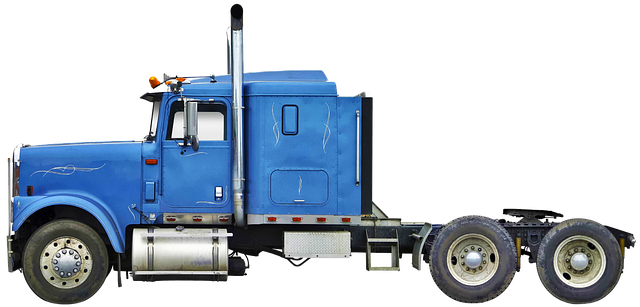
When selecting a semi truck for your small business operations, evaluating engine performance and fuel efficiency is paramount. These metrics directly impact operational costs and productivity over the long haul. For instance, consider the popular diesel engines known for their durability and power, such as the Cummins ISX or the Detroit Diesel Series 60. Both have established reputations for delivering robust torque (upwards of 1,350 ft-lb) while maintaining excellent fuel economy—crucial factors for cost-conscious small businesses.
Fuel efficiency gains significant importance given the escalating fuel costs and stringent environmental regulations. Modern semi trucks equipped with advanced engine technologies offer substantial improvements in miles per gallon (mpg). For example, many new models boast averages exceeding 4 mpg, representing a significant leap from older generations. These innovations not only reduce operational expenses but also minimize your carbon footprint. When evaluating candidates, compare the gross vehicle weight rating (GVWR) and the engine’s horsepower to ensure optimal performance tailored to your specific hauling needs, especially if you’re navigating challenging terrains or require frequent starts and stops.
Moreover, understanding the maintenance and part supply ecosystem is vital. With regular upkeep, modern semi trucks can extend their service lives by years. Reputable manufacturers offer comprehensive warranty packages and access to a vast network of parts suppliers, ensuring timely repairs and minimal downtime. For instance, companies like Caterpillar and Volvo have robust global support systems, including local branches in most regions, facilitating easier part procurement for small businesses. This ensures that when unexpected repairs are needed, the process is streamlined and cost-effective.
Lastly, aligning your semi truck selection with the CDL (Commercial Driver’s License) requirements specific to your region is essential. The CDL license criteria vary by jurisdiction but generally cover vehicle class, passenger or hazardous material transport, and air brake systems. Ensuring that the semi truck you choose complies with these standards from the outset saves time and legal headaches down the road.
Safety Features Matter: Advanced Systems and Industry Standards

Selecting a semi truck involves more than just choosing a flashy model. Safety features matter, especially given the significant size and weight of these vehicles. Advanced safety systems are not merely amenities; they’re lifesavers for both drivers and other road users. Look for trucks equipped with modern airbrakes, anti-lock braking systems (ABS), and electronic stability control (ESC) to ensure precise handling and quick stops. These features are standard in many new models but can vary by manufacturer and year, so a thorough comparison is crucial before making a purchase.
In today’s market, many top-tier semi truck manufacturers adhere to stringent industry safety standards set by organizations like the National Highway Traffic Safety Administration (NHTSA). Examples include advanced collision avoidance systems, lane departure warnings, and adaptive cruise control, which actively monitor road conditions and alert drivers of potential hazards. These technologies have significantly reduced accident rates among semi truck driver job openings, a sector often plagued by long hours and high stress levels.
When considering a purchase, refer to reliable semi truck comparison charts that detail safety features across different models. Additionally, enroll in reputable semi truck driving schools to gain hands-on experience and learn about the latest safety protocols. According to recent data, professional drivers who prioritize these advanced safety systems report improved job satisfaction and reduced incident rates. Remember, a safe semi truck is not just an investment; it’s a cornerstone for a successful and secure trucking career.
Test Drive and Compare: Making an Informed Selection

Selecting a semi truck involves more than just picking a flashy model. To make an informed decision, it’s crucial to embark on a test drive and thoroughly compare different options. Start by identifying your specific needs—whether you’re hauling heavy loads, transporting specialized cargo, or prioritizing fuel efficiency. For instance, if fuel economy is top of mind, explore modern semi trucks equipped with advanced engines designed to reduce consumption. Some leading manufacturers offer models that achieve up to 7% better fuel efficiency compared to their predecessors.
During your test drive, pay close attention to the vehicle’s handling, comfort, and safety features. Modern semi trucks come packed with innovative safety technologies such as collision avoidance systems, lane departure warnings, and adaptive cruise control—all designed to prevent accidents and protect drivers. For example, a study by the American Trucking Associations revealed that using these advanced safety systems can reduce truck-related crashes by up to 50%. Online platforms like semi truck auctions provide access to a diverse range of models, allowing you to compare prices, specifications, and features side by side.
Additionally, consider comparing different makes and models to assess their long-term reliability and maintenance costs. Check for detailed owner manuals or reviews that highlight common issues and maintenance schedules. For those focused on sustainability, explore semi trucks designed with eco-friendly components and alternative fuel sources, such as electric or natural gas engines. Remember, the perfect semi truck is one that aligns seamlessly with your operational requirements while ensuring safety, efficiency, and longevity.
By meticulously understanding your specific needs, researching various semi truck types, setting a realistic budget, evaluating performance metrics, prioritizing safety features, and thoroughly test driving potential options, you are now equipped to make an informed decision when selecting semi trucks. This article has guided you through each critical step, empowering you to choose the perfect vehicle that aligns with your purpose, enhances efficiency, ensures safety, and meets your financial considerations. Take these insights and dive into the process of finding the ideal semi truck that will serve as a reliable cornerstone for your operations.