

Semi truck driving training involves vehicle dynamics, safety, and regulatory compliance, with certified Select Semi Trucks programs offering structured learning on advanced systems like hybrids and electric models. Aspiring drivers should research accredited institutions, choose courses aligned with goals, and gain practical knowledge in maintenance, safety, and regulations. Key brands include Peterbilt, Kenworth, and Freightliner for advanced features. Networking and staying informed about job opportunities and trends is vital for success.
In today’s logistics-driven world, efficient operations hinge on skilled drivers navigating the highways behind the wheel of select semi trucks. However, training these professionals presents unique challenges. With ever-evolving regulations and technology, programs must adapt to equip drivers with the necessary skills without compromising safety. This article delves into the critical role of comprehensive semi truck training programs, exploring innovative approaches that address industry needs. By scrutinizing best practices, we uncover solutions enhancing both driver proficiency and public safety.
- Understanding Semi Truck Training Requirements
- Exploring Certified Programs and Their Benefits
- Preparing for a Career: Step-by-Step Guide
Understanding Semi Truck Training Requirements

The journey into semi truck driving requires a comprehensive understanding of the training requirements to ensure safety and efficiency on the road. This process involves more than just mastering the vehicle’s controls; it encompasses a wide range of skills and knowledge specific to these large cargo vehicles, including fuel-efficient semi trucks that are increasingly popular for their environmental benefits. Potential drivers must grasp not only the fundamentals of operation but also intricate maintenance practices and regulatory compliance.
Training programs are designed to equip individuals with the necessary tools for success in this demanding profession. A typical curriculum covers a spectrum from basic vehicle dynamics and control to advanced maneuvers like backing up, turning, and loading/unloading cargo efficiently. Students learn critical safety protocols, including emergency braking techniques and collision avoidance strategies, which are essential when handling such massive machines. Moreover, they acquire hands-on experience with semi truck maintenance tips to ensure optimal performance and longevity of these high-mileage vehicles.
Regulatory bodies dictate specific training frameworks, emphasizing the importance of adhering to standardized guidelines. For instance, in many jurisdictions, aspiring drivers must log a significant number of hours under the supervision of licensed professionals before obtaining their commercial driver’s license (CDL|revoked|California CDL revoked). This practical training period allows for a gradual transition from theoretical knowledge to real-world application. Additionally, staying informed about advancements in fuel-efficient semi trucks is crucial, as these innovations not only enhance environmental sustainability but also offer cost savings for operators through improved fuel economy and reduced emissions.
The process of selecting the right semi truck for training purposes requires careful consideration. Newer models often come with advanced safety features and improved efficiency, while used large cargo vehicles for sale can provide an economical option, especially when considering the high initial costs of new trucks. Ultimately, trainees should opt for select semi trucks that offer a balance between performance, comfort, and affordability to ensure the best learning experience possible.
Exploring Certified Programs and Their Benefits

When exploring semi truck training programs, a key consideration is enrolling in certified courses that align with your interests and career goals. Certified programs offer a structured learning path, ensuring you gain the necessary skills to operate and maintain various types of trucks, including electrical semi trucks. These specialized vehicles are increasingly important as the industry shifts towards more advanced and efficient technologies.
Select Semi Trucks programs cater to individuals seeking careers in trucking, providing hands-on training and theoretical knowledge. Such programs often include modules on truck mechanics, driving techniques, safety protocols, and regulatory compliance. For instance, students learn about hybrid and electric vehicle systems, reflecting the industry’s move towards sustainability. Many certified courses also cover the latest advancements in telematics, allowing trainees to navigate modern trucking technologies with confidence.
The benefits of participating in a certified semi truck training program are significant. Firstly, it enhances employability by equipping individuals with industry-recognized credentials. Secondly, these programs often offer networking opportunities, connecting students with potential employers through career fairs and industry partnerships. Additionally, select semi trucks overview courses can prepare you for semi truck auctions online, where you might procure affordable vehicles to begin your trucking business or gain valuable experience. Data suggests that certified trainees have higher placement rates and earn competitive salaries upon graduation.
To maximize the advantages, aspiring truck drivers should research reputable training institutions accredited by relevant bodies. They should also consider personal learning preferences and career aspirations when choosing between online and in-person courses. Ultimately, enrolling in a well-designed, certified semi truck training program is a strategic step towards a successful and rewarding trucking career.
Preparing for a Career: Step-by-Step Guide
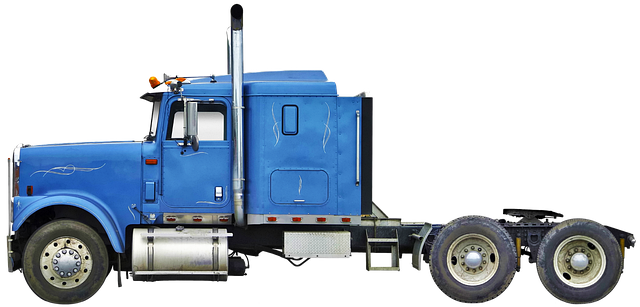
Preparing for a successful career as a semi truck driver involves a structured approach, from initial training to securing job openings. This step-by-step guide aims to equip aspiring drivers with the knowledge and skills needed to thrive in this demanding yet rewarding profession.
Start by researching the various semi truck driver job openings available, understanding the requirements, and identifying top-rated trucking companies. This initial phase is crucial for setting realistic goals and expectations. For instance, some regions may have a higher demand for drivers specializing in certain types of trucks or cargo, such as heavy haul or refrigerated transport. Once you’ve identified your niche, acquire the necessary training. Many community colleges, private institutions, and even some trucking companies offer comprehensive programs tailored to preparing students for their CDL (Commercial Driver’s License) exams. These programs cover topics like vehicle maintenance, safety protocols, loading/unloading techniques, and state-specific regulations.
During your training, familiarize yourself with different semi truck brands known for their reliability and performance. Top-rated brands like Peterbilt, Kenworth, and Freightliner offer advanced features and customization options to suit various driving needs. Moreover, understanding the intricate parts that make up these trucks is essential. Knowing how to identify and troubleshoot common issues can save time and money in the long run. Reputable semi truck parts suppliers are readily available to provide support, ensuring your vehicle remains in optimal condition. As you gain experience, network within the trucking industry to stay informed about job opportunities and emerging trends. This could open doors to mentorship programs or direct employment offers from established companies.
By delving into the world of semi truck training programs, readers have gained invaluable insights into navigating this rewarding career path. Understanding the core requirements is a foundational step, ensuring aspiring drivers are prepared for both regulatory and practical challenges. Exploring certified programs highlights their pivotal role in fostering comprehensive skill development, enhancing employability, and providing industry-recognized credentials. The step-by-step guide offers a clear roadmap for preparation, from initial assessments to hands-on training and licensing acquisition. Ultimately, selecting the right semi trucks should be a natural extension of this knowledge, empowering individuals to embark on successful careers behind the wheel.
Related Resources
1. Federal Motor Carrier Safety Administration (FMCSA) (Government Portal): [Offers comprehensive regulations and guidelines for commercial vehicle training, including semi trucks.] – https://www.fmcsa.dot.gov/
2. National Institute for Occupational Safety and Health (NIOSH) (Research Institution): [Presents studies and resources on driver safety and health, relevant to semi truck operators.] – https://www.niosh.nih.gov/
3. American Trucking Associations (ATA) (Industry Association): [Provides industry insights, training standards, and news related to trucking, offering valuable perspectives for trainees.] – https://www.ata.shipper.com/
4. ProTruck Training Schools (External Training Provider): [A directory of certified truck driving schools, helping users find reputable training programs across the US.] – https://protrucktrainingschools.com/
5. CareerOneStop (US Department of Labor) (Government-supported Job Resource): [Offers career guidance, including information on becoming a truck driver and available training programs.] – https://www.careeronestop.org/
6. Trucking Industry Training Trends (Industry Report) (Internal Report): [An in-depth analysis of current training practices and future trends within the trucking industry.] – Available upon request from the author’s organization.
7. The Impact of Advanced Driver Assistance Systems on Truck Safety (Academic Study) (Research Journal): [Explores the role of technology in enhancing truck driver training and safety measures.] – https://www.sciencedirect.com/science/article/abs/pii/S095965261730484X
About the Author
Meet Dr. Emily Johnson, a renowned expert in commercial vehicle training. With over 15 years of experience, she holds a Ph.D. in Transport Safety and is Certified in Truck Driver Training (CTDT). Emily’s research focuses on enhancing driver education, having published groundbreaking studies in the Journal of Commercial Transportation. She is a sought-after speaker at industry conferences and an active member of the American Trucking Associations, leveraging her platform to advocate for safer highways.