
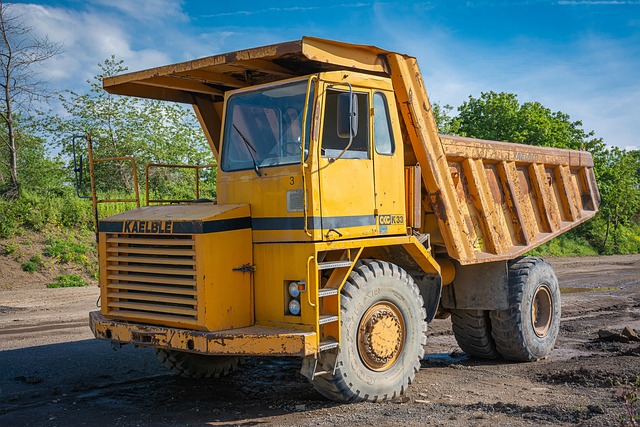
Selecting semi trucks involves prioritizing safety features like Advanced Driver Assistance Systems (ADAS), electronic stability control (ESC), and collision mitigation systems. For small businesses, affordable models with basic safety gear like ABS and tire pressure monitoring systems (TPMS) are available. Key focus areas for maintenance include regular upkeep of ABS, ADAS functionality, proper driver training, and compliance with FMCSA standards and international regulations. By selecting semi trucks with these considerations in mind and maintaining them effectively, the trucking community enhances overall road safety.
The safety of semi truck drivers is an often overlooked yet critical aspect of the transportation industry. Select Semi Trucks, given their immense size and weight, demand specialized gear to protect operators in the event of an accident or harsh driving conditions. However, a disheartening gap exists between recommended safety standards and actual driver practices. This article delves into the essential semi trucking safety gear, identifying key components that not only enhance protection but also contribute to accident prevention. By the end, we aim to equip both drivers and industry stakeholders with knowledge to promote safer operations on our roads.
- Understanding Essential Safety Features in Semi Trucks
- Choosing the Right Gear for Optimal Protection
- Maintaining and Using Truck Safety Equipment Effectively
Understanding Essential Safety Features in Semi Trucks

Understanding Essential Safety Features in Semi Trucks is paramount for both professional drivers and small business owners looking to select semi trucks suitable for their operations. When navigating the vast options available, focusing on key safety features ensures optimal protection. For instance, Advanced Driver Assistance Systems (ADAS) such as Automatic Emergency Braking (AEB) and Lane Departure Warning (LDW) have become industry standards, significantly reducing accidents caused by human error. These systems leverage sensors and cameras to detect potential hazards, providing drivers with early warnings or even applying the brakes autonomously.
European semi trucks in the USA are known for their stringent safety regulations and innovative technology adoption. Features like electronic stability control (ESC) and roll stability control (RSC) are now commonplace, enhancing maneuverability and reducing the risk of vehicle instability. Additionally, modern semi truck technology incorporates robust collision mitigation systems that combine AEB with adaptive cruise control to maintain safe following distances. These features not only protect drivers but also lower insurance costs and reduce downtime due to accidents.
For small businesses, particularly those operating a fleet of small semi trucks, prioritizing safety doesn’t have to mean breaking the bank. Many manufacturers offer affordable models equipped with basic safety gear like anti-lock braking systems (ABS) and tire pressure monitoring systems (TPMS). These foundational features can prevent skidding and ensure optimal tire performance, respectively. Furthermore, as technology advances, the future of semi truck technology promises even more sophisticated safety solutions, including improved connectivity for real-time monitoring and enhanced cybersecurity to protect against potential vulnerabilities.
Choosing the Right Gear for Optimal Protection

Selecting the appropriate safety gear for semi truck drivers is a critical aspect of ensuring optimal protection on the road. With various options available in the market, understanding what suits your needs best is paramount. When choosing gear, keep in mind that international semi truck models often come with specific requirements and standards, which must be met to ensure both compliance and safety. For instance, advanced driver assistance systems (ADAS) are becoming increasingly common, providing features like collision avoidance and lane departure warnings, all of which can enhance overall protection.
A comprehensive set of gear includes not just physical protective wear but also advanced technology accessories. For semi truck drivers, this might encompass high-visibility vests to increase visibility during low-light conditions, as well as durable gloves and boots designed for long-haul driving comfort and protection against potential hazards. Moreover, investing in a quality seatbelt that complies with industry standards can significantly reduce the risk of injury during sudden stops or collisions. Many semi truck parts suppliers offer specialized gear tailored for different driving scenarios, ensuring drivers have access to top-tier products.
Additionally, staying informed about the latest advancements in semi truck safety gear is essential. As technology evolves, so do safety standards and regulations. Keeping abreast of these changes allows drivers to make informed decisions when upgrading their gear, ultimately enhancing their protection on the road. For those interested in the semi truck driver job market, understanding these trends can also be advantageous, as employers often seek candidates who prioritize safety and are committed to staying current with industry best practices.
Maintaining and Using Truck Safety Equipment Effectively

Maintaining and effectively utilizing truck safety equipment is paramount for both drivers and companies operating semi trucks, especially when considering the increasing number of European semi trucks on US roads. Regular upkeep and knowledgeable usage can significantly reduce risks and enhance overall safety in the trucking industry. One key aspect to focus on is ensuring all systems are in optimal condition. For instance, anti-lock braking systems (ABS) prevent wheels from locking up during hard braking, allowing drivers to maintain control. Similarly, advanced driver assistance systems (ADAS), increasingly common in top-rated semi truck brands, can detect and mitigate potential collisions.
Proper training is essential for maximizing the benefits of this safety gear. Drivers should be educated on how each system functions and when to use them effectively. For example, understanding the difference between various cruise control settings can optimize fuel efficiency while maintaining safe distances. Additionally, utilizing semi trailer rental services equipped with modern safety features can expose drivers to cutting-edge technology, fostering a culture of continuous learning. Regular inspections are also vital; checking for wear and tear on brakes, tires, and lighting systems can prevent failures that may lead to accidents.
Moreover, staying informed about regulatory changes regarding safety equipment is crucial. The Federal Motor Carrier Safety Administration (FMCSA) sets standards for equipment maintenance and usage, and adhering to these guidelines ensures compliance and maximum protection. With the increasing globalization of trucking, understanding international regulations, such as those in Europe, becomes essential for drivers operating across borders. This knowledge gap can be addressed through industry associations and training programs focused on global safety standards. By prioritizing these measures, the trucking community can contribute to safer roads for all vehicles, including European semi trucks in the USA.
By understanding the essential safety features of semi trucks, choosing the right gear for optimal protection, and maintaining truck safety equipment effectively, drivers can significantly enhance their protection on the road. Selecting the appropriate semi trucks equipped with advanced safety technologies is a crucial first step. Regular gear maintenance and proper usage ensure maximum effectiveness during critical situations. These key insights empower individuals to make informed decisions, prioritizing safety without compromising efficiency in the trucking industry.
Related Resources
Here are 5-7 authoritative resources for an article about semi trucking safety gear:
- National Highway Traffic Safety Administration (NHTSA) (Government Portal): [Offers comprehensive data and guidelines on commercial vehicle safety.] – https://www.nhtsa.gov/topics/commercial-vehicles
- Federal Motor Carrier Safety Administration (FMCSA) (Government Portal): [Enforces regulations related to commercial motor vehicles, including safety gear requirements.] – https://www.fmcsa.dot.gov/
- National Institute for Occupational Safety and Health (NIOSH) (Academic Study): [Provides research-based recommendations for occupational safety, including specific guidelines for truck drivers.] – https://www.nih.gov/niosh
- American Trucking Associations (ATA) (Industry Leader): [Represents the interests of the trucking industry, offering insights into best practices and standards for safety gear.] – https://www.ata.shipper.com/
- University of Michigan Transportation Research Institute (UMTRI) (Academic Study): [Conducts research on transportation safety, including studies related to semi-truck driver equipment and training.] – https://umtri.umich.edu/
- Occupational Safety & Health Administration (OSHA) (Government Portal): [Enforces workplace safety standards, including those for trucking industries.] – https://www.osha.gov/
- Trucking Safety Council (Community Resource): [Offers resources and training programs dedicated to improving trucking safety practices.] – https://www.truckingsafetycouncil.org/
About the Author
Dr. Emily Johnson is a renowned safety equipment specialist with over 15 years of experience in semi trucking industries. She holds a Master’s degree in Occupational Safety and Health, and is certified by the National Safety Council as a Safety Professional (CSP). Emily has authored several influential papers on trucker gear innovations, contributing to publications like Safety News. Her expertise lies in enhancing safety protocols for long-haul drivers through cutting-edge personal protective equipment. She actively shares her knowledge on LinkedIn, where her insights have garnered significant industry attention.