
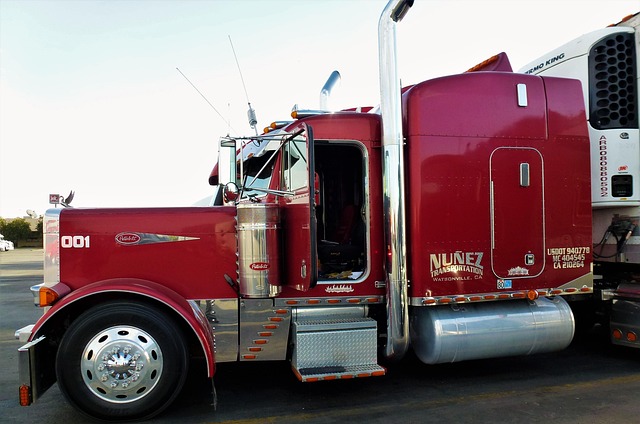
Carrying heavy loads demands a strategic approach involving Select Semi Trucks, safety training, fuel efficiency, and advanced technologies. Key considerations include vehicle selection, insurance, maintenance, driver training, load securing, regulatory compliance, and eco-friendly options like hybrid powertrains. A holistic approach, focusing on reliability, efficiency, and safety, ensures cost-effective and responsible heavy-load transportation.
The safe transportation of heavy loads is a cornerstone of modern industry and commerce, yet it remains a complex challenge. With the increasing demand for goods and the rise in weight of transported materials, ensuring secure and reliable movement is more critical than ever. While conventional methods have their limits, Select Semi Trucks offer a transformative solution. This article delves into the intricacies of heavy-load transportation, exploring how these specialized vehicles revolutionize logistics by providing enhanced safety, capacity, and efficiency, meeting the demands of today’s robust supply chains.
- Understanding Heavy Load Requirements
- Choosing the Right Semi Trucks
- Ensuring Vehicle Safety Features
- Secure Loading Practices for Maximum Stability
- Driver Training and Regulatory Compliance
- Maintaining Roads and Infrastructure Integrity
Understanding Heavy Load Requirements

To ensure safe heavy-load transportation, understanding the unique requirements of carrying substantial weights is paramount. This involves meticulous planning, selecting the appropriate vehicles such as select semi trucks, and adhering to stringent safety standards. One crucial aspect often overlooked is comprehending the specific needs of the load itself. Factors like weight distribution, center of gravity, and stability must be carefully considered to prevent accidents. For instance, when transporting oversized or heavy equipment, a different setup may be required compared to carrying standardized containers.
Semi truck insurance requirements play a vital role in this process. Insurers consider various factors, including the nature of the cargo, vehicle specifications, and driving experience, to determine policy costs. Given the increased risks associated with heavy loads, ensuring comprehensive coverage is essential. This includes liability for potential damage to the goods or third-party property during transit. Moreover, fuel efficiency becomes a critical consideration. Fuel-efficient semi trucks not only reduce operating costs but also minimize environmental impact, contributing to a more sustainable transportation sector.
In the pursuit of safer and greener practices, the market offers an array of green semi trucks for sale. These vehicles are designed with advanced technologies aimed at reducing emissions and improving fuel economy. For instance, hybrid powertrains combine traditional engines with electric motors, providing significant fuel savings. As the industry evolves, adopting these innovations can help fleet operators meet environmental regulations while optimizing operational costs. Ultimately, prioritizing safety, efficiency, and sustainability in heavy-load transportation requires a holistic approach that includes proper vehicle selection, stringent insurance coverage, and embracing eco-friendly technologies.
Choosing the Right Semi Trucks

Selecting the appropriate semi trucks is a strategic decision that forms the backbone of efficient heavy-load transportation. In today’s market, a multitude of options exist, catering to diverse hauling needs and operational goals. From fuel-efficient semi trucks to long haul trucking rigs, each design offers unique advantages tailored for specific applications. For instance, electrical semi trucks are gaining traction as environmentally friendly alternatives, with leading manufacturers like Tesla and Freightliner pioneering innovative solutions. This shift towards sustainability not only reduces environmental impact but also translates into significant cost savings over time.
When choosing semi trucks, consider the nature of your cargo and operational demands. Long-haul trucking rigs, for instance, are engineered for endurance and efficiency across vast distances, featuring advanced aerodynamics and powerful engines. Conversely, specialized vehicles designed for local deliveries or urban environments prioritize maneuverability and low emissions. For optimal performance, assess fuel economy, as modern, well-maintained semi trucks can significantly reduce operational costs through efficient fuel consumption. Data from industry reports indicates that adopting fuel-efficient practices can lead to savings of up to 20% in annual fuel expenses for trucking companies.
Beyond technical specifications, factoring in reliability and brand reputation is paramount. Established manufacturers with proven track records offer peace of mind, ensuring your investment holds its value over time. Regular maintenance and upgrades are also crucial elements in maximizing the lifespan and performance of your semi trucks. By selecting vehicles that align with your operational needs and adhering to best practices for upkeep, trucking businesses can ensure safe, reliable, and cost-effective heavy-load transportation.
Ensuring Vehicle Safety Features

Ensuring safe heavy-load transportation hinges on the integration of robust safety features within the semi trucks carrying our nation’s goods. When selecting either new or used semi trucks, prioritizing models equipped with advanced driver assistance systems (ADAS) is paramount. These include electronic stability control (ESC), which prevents skidding and enhances vehicle handling, and lane departure warning (LDW), alerting operators when they drift from their lane without signaling. Additionally, automated emergency braking (AEB) systems can detect potential collisions and apply the brakes to avoid or mitigate impact.
Fuel-efficient semi trucks are also gaining traction as a means of enhancing safety and sustainability. Advanced engine technologies and aerodynamic designs significantly reduce fuel consumption, decreasing driver fatigue associated with frequent refueling stops. This improved efficiency translates into more consistent performance and better situational awareness for operators, thereby fostering safer driving habits. For instance, the latest generations of diesel engines equipped with selective catalytic reduction (SCR) technology have achieved up to 25% better fuel economy compared to their predecessors.
Beyond vehicle specifications, comprehensive training for semi truck operators is a critical component of safe transportation. Programs focusing on defensive driving, load securing techniques, and adherence to traffic regulations empower drivers to navigate highways confidently and safely. According to the Federal Motor Carrier Safety Administration (FMCSA), operator training and experience are linked to lower accident rates. Organizations like the American Trucking Associations (ATA) offer specialized training programs that equip drivers with the knowledge and skills necessary to handle diverse road conditions, ensuring they remain alert and in control, even while operating heavy loads.
Secure Loading Practices for Maximum Stability
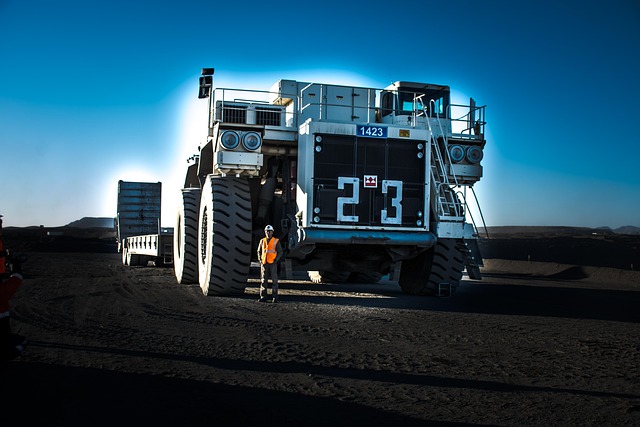
Ensuring maximum stability during heavy-load transportation is paramount to safety and efficiency, with secure loading practices playing a pivotal role. To achieve this, meticulous attention must be given to each step of the process, from initial planning to final securing of cargo. One key component that significantly influences stability is the choice of semi trucks. Selecting Semi Trucks that offer robust construction and advanced engineering ensures a solid foundation for carrying heavy loads. For instance, modern long haul trucking rigs are designed with enhanced frame structures and improved suspension systems, providing superior stability on various road conditions.
Practicing secure loading involves several strategic measures. First, it’s crucial to understand the center of gravity (CG) of the load and ensure it aligns with the vehicle’s CG. This balance is maintained by positioning heavier items close to the vehicle’s centerline and securing them properly. Proper distribution of weight across all axles also prevents excessive stress on any single part, reducing the risk of mechanical failures. Semi truck parts suppliers play a vital role in this regard, offering specialized equipment like ratchet ties, wheel chocks, and load binders that facilitate secure loading and unloading.
Another critical aspect is the selection of appropriate semi trucks tailored to the specific requirements of heavy-load transportation. Different models cater to varying axle configurations, cargo capacities, and fuel efficiency, allowing transport companies to choose the best fit for their operations. Moreover, understanding the available semi truck financing options enables businesses to make strategic investments in a fleet that supports long-haul trucking rig needs without compromising financial stability. Data suggests that well-maintained and appropriately loaded rigs have significantly lower incident rates, underscoring the importance of adhering to secure loading practices.
To foster maximum stability, transport companies should regularly train drivers on best loading practices and keep them updated with advancements in semi truck technology. This includes staying informed about new models featuring enhanced safety features and improved load management capabilities. By combining expert knowledge, strategic planning, and access to reliable semi truck parts suppliers and financing options, transportation businesses can ensure the safe and efficient movement of heavy loads, contributing to a seamless logistics ecosystem.
Driver Training and Regulatory Compliance

Ensuring safe heavy-load transportation hinges on comprehensive driver training and strict regulatory compliance. The intricate nature of transporting substantial cargo demands a profound understanding of vehicle dynamics, safety protocols, and logistical considerations. Professional drivers must be adept at maneuvering Select Semi Trucks, especially when dealing with varying road conditions and diverse freight types. Training should encompass not just the mechanics of driving but also crisis management, load securing techniques, and adaptability to unexpected scenarios.
Trucking logistics and semi rentals play a pivotal role in maintaining operational efficiency while prioritizing safety. Fleet managers must prioritize investments in fuel-efficient Semi Trucks, aligning with sustainability goals and reducing long-term operational costs. Modern semi trucks are equipped with advanced safety features like collision avoidance systems, lane departure warnings, and automatic emergency braking, significantly enhancing road safety. These technologies not only mitigate risks but also contribute to more seamless trucking operations, especially during high-stress situations.
Regulatory bodies worldwide have established stringent standards for heavy-load transportation, emphasizing the importance of compliance. Compliance involves adhering to weight limits, load distribution guidelines, and driver rest regulations. Non-compliance can lead to severe penalties, damage to reputation, and, most importantly, safety risks. Regular audits and training refreshers are essential to ensure drivers stay updated with evolving regulations. By fostering a culture of continuous learning and strict adherence to standards, trucking companies can maintain the highest levels of safety in their operations.
Maintaining Roads and Infrastructure Integrity

Maintaining the integrity of roads and infrastructure is a cornerstone of safe heavy-load transportation. This involves regular inspections, prompt repairs, and adherence to strict maintenance schedules. Well-maintained roads not only ensure the safety of semi trucks but also extend the lifespan of vehicles, reducing costs for both operators and shippers. For instance, studies show that every dollar invested in road maintenance can yield up to a fourfold return by preventing accidents, reducing traffic congestion, and minimizing fuel consumption.
One critical aspect is incorporating advanced safety features into semi trucks. Modern semi truck safety features such as collision avoidance systems, lane departure warnings, and electronic stability control significantly enhance driver awareness and response time. These features are particularly valuable when hauling heavy loads, as they help prevent accidents caused by tire blowouts or operator error. Moreover, opting for Select Semi Trucks with proven safety records ensures that these advanced features are integrated into the vehicle from the outset, enhancing overall fleet safety.
When considering purchasing a semi truck, whether new or used, refer to a comprehensive guide like the used semi truck buying guide. This resource provides insights into identifying vehicles with robust safety histories and well-maintained infrastructure. For instance, checking for regular service records, inspecting the cab and engine for signs of wear, and ensuring the trailer is in good condition are essential steps. Additionally, leveraging semi trailer rental services can be a strategic move for operators looking to test different models or maintain flexibility without the long-term commitment of ownership. This approach not only allows for cost savings but also provides access to the latest safety technologies.
Regular fleet maintenance programs, including scheduled inspections and proactive repairs, are essential. Such programs not only uphold infrastructure integrity but also optimize semi truck performance. By adhering to manufacturer recommendations and industry best practices, operators can ensure their vehicles meet safety standards and regulatory requirements. This holistic approach to heavy-load transportation fosters a culture of safety, reliability, and efficiency across the entire fleet.
In safe heavy-load transportation, a holistic approach is essential. By understanding specific requirements, choosing the right semi trucks through informed decision-making, implementing robust safety features, and adhering to best practices in loading and driver training, significant risks can be mitigated. Regulatory compliance and infrastructure maintenance are equally vital components that ensure the safety and efficiency of these operations. Key takeaways include Select Semi Trucks with advanced safety systems, prioritize secure loading techniques for stability, and invest in ongoing driver training. These measures not only comply with standards but also enhance overall operational reliability, fostering a safe and efficient transportation network.