

Renting a semi tractor unit demands understanding specialized vehicles' unique features. Select Semi Trucks with advanced safety systems, considering fuel economy and technology. Assess operational needs, engine performance, and maintenance for optimal selection. Stay informed about market trends and choose reputable manufacturers and rental services. Prioritize safety with collision avoidance, robust brakes, and autonomous tech, adhering to federal regulations. Ensure proper insurance and vehicle condition through inspections and regular maintenance checks.
In today’s diverse logistics landscape, the efficient transportation of goods demands versatile and powerful machines. Among these, selecting the right semi trucks is a critical decision for businesses aiming to optimize their operations. However, navigating the market to find the ideal semi tractor unit can be challenging, given the vast array of options available. This article delves into the process of renting semi trucks, providing valuable insights for companies seeking flexible and cost-effective solutions without compromising on quality. By the end, readers will have a comprehensive understanding of how to make informed choices when it comes to selecting semi trucks for their specific needs.
- Understanding Semi Tractor Units: Essential Basics
- Factors to Consider When Select Semi Trucks
- Types of Semi Trucks: Finding Your Fit
- The Rental Process: Step-by-Step Guide
- Best Practices for Renting a Semi Truck Safely
Understanding Semi Tractor Units: Essential Basics
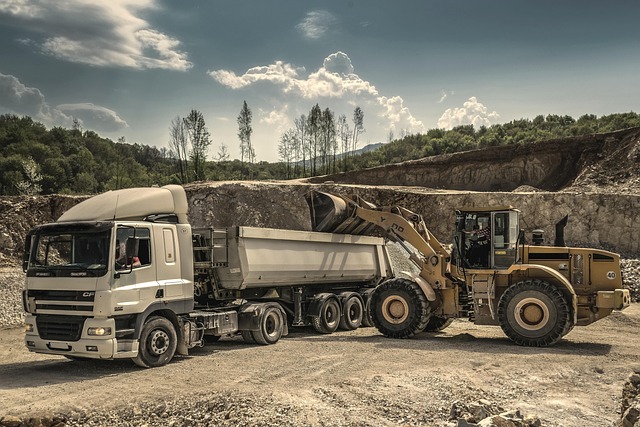
Choosing to rent a semi tractor unit is a significant decision, requiring a deep understanding of these powerful machines. Semi trucks, or tractor units, are designed for long-haul transportation and come in various configurations, each suited to different needs. Before selecting your ideal option, it’s crucial to grasp the essential basics that set these vehicles apart.
At their core, semi trucks consist of two main components: the tractor unit (or cab) and the trailer. The tractor unit is the driving portion, featuring a powerful engine, advanced safety features, and living quarters for the driver. Modern semi trucks are equipped with cutting-edge safety systems like electronic stability control (ESC), lane departure warning, and automatic emergency braking, enhancing both driver comfort and road safety. For instance, according to the American Trucking Associations, proper use of these safety features can significantly reduce accidents and fatalities.
When navigating the market, you’ll encounter new and used semi trucks, each offering distinct advantages. New models boast state-of-the-art technology, improved fuel efficiency, and enhanced performance, making them a popular choice for businesses investing in their fleet. Conversely, green semi trucks for sale in the pre-owned category often provide cost-effective solutions without compromising quality or safety. For example, many newer models have advanced engine technologies that reduce emissions, contributing to environmental sustainability. As you select your semi truck, consider factors like fuel economy, maintenance requirements, and available technology to ensure it aligns with your operational needs and environmental goals.
Factors to Consider When Select Semi Trucks

When you’re in the market to select semi trucks, several key factors come into play, each influencing your decision significantly. Firstly, consider the purpose of your operations—whether it’s local delivery, construction site hauling, or long-haul trucking. Different tasks demand specific semi truck types; for instance, a flatbed truck might be ideal for transporting oversized cargo, while a reefer (refrigerated) truck is better suited for perishable goods. This step involves assessing your business needs and the nature of your freight to make an informed choice.
Next, focus on performance and efficiency. Look at engines, transmission types, and fuel efficiency ratings. Modern semi trucks offer advanced engine technologies that enhance power and reduce fuel consumption. For instance, many new models feature diesel engines with exhaust gas recirculation (EGR) systems, which not only improve torque but also boost mileage. Additionally, exploring semi truck driving schools to train your drivers is essential for ensuring safety and efficiency on the road. Trained professionals can optimize routes and minimize downtime due to mechanical issues.
Another critical consideration is maintenance and reliability. Semi trucks are significant investments, so choose a reputable manufacturer known for its after-sales service and support. Regular maintenance intervals recommended by the manufacturer should be a standard practice. Moreover, consider the availability of commercial truck dealerships near you for parts and repairs to ensure minimal downtime when issues arise. Long-haul trucking rigs demand robust vehicles that can withstand continuous use, so reliability is paramount.
Types of Semi Trucks: Finding Your Fit

Selecting the right semi truck is a crucial step for any business or individual looking to navigate the freight transportation landscape efficiently. The market offers a diverse range of options, from traditional diesel-powered models to cutting-edge autonomous vehicles, each catering to specific operational needs and preferences. Understanding these varieties enables informed decisions, ensuring you find the perfect fit for your requirements.
Semi trucks come in various types, designed for different purposes. For instance, flatbed semi tractors are ideal for transporting oversized or unconventional cargo, while tank semis are specialized for hauling liquids. The popular day cab design offers enhanced maneuverability and comfort for short-haul drivers, whereas the longer hooded variants are suited to long-distance hauls. Additionally, advancements in technology have led to the emergence of autonomously driven semi trucks, promising increased safety and efficiency on the highways. These innovative vehicles could revolutionize the industry, but they may not be suitable for all operations, especially those requiring hands-on driving or specific regulatory compliance.
When selecting your semi truck, consider factors such as cargo capacity, fuel efficiency, comfort, and advanced features like collision avoidance systems. One effective strategy is to start by identifying a reputable semi truck dealer who can guide you through the options based on your needs. Many dealers also offer used semi trucks at competitive prices, enabling businesses on a budget to find reliable vehicles. Online platforms have further democratized access to these assets with semi truck auctions that allow buyers to secure quality equipment from the comfort of their offices or homes. This modern approach facilitates a broader search and can lead to significant savings.
Keep in mind that as technology evolves, so does the semi truck market. Stay abreast of emerging trends like online connectivity and predictive analytics, which enhance fleet management. By combining traditional wisdom with a forward-thinking mindset, you can ensure that your choice of semi truck not only meets current demands but also supports future operational goals, fostering long-term success in the freight transportation sector.
The Rental Process: Step-by-Step Guide

Renting a semi tractor unit is a strategic decision for businesses dealing with large cargo transportation. Here’s a detailed guide to walk you through the rental process, ensuring a smooth experience from start to finish. First, assess your specific needs and budget. Determine the type of semi truck suitable for your cargo requirements, keeping in mind factors like payload capacity, engine power, and fuel efficiency. For instance, if you’re transporting heavy machinery, a powerful diesel engine with high horsepower will be essential. Once you’ve identified your needs, compare reputable semi trailer rental services that offer a diverse fleet of vehicles.
Next, research the future of semi truck technology to make an informed choice. Modern semi trucks are equipped with advanced safety features like collision avoidance systems and improved aerodynamics for better fuel economy. Consider these technological advancements when selecting your select semi trucks. Many rental companies provide online platforms or catalogs allowing you to browse their fleet, compare prices, and check availability. Ensure the company offers transparent pricing, detailing any additional fees or charges.
When ready, contact the provider and discuss your requirements. They should guide you through the process, including necessary paperwork, driver qualifications, and insurance options. Always verify that the large cargo vehicles for sale or rental meet industry safety standards and are well-maintained. Finally, review the rental agreement thoroughly before signing, understanding the terms, mileage limits, and any responsibility for damage or loss. This step-by-step approach will help you navigate the rental process effectively, ensuring a reliable and efficient transportation solution.
Best Practices for Renting a Semi Truck Safely

Renting a semi tractor unit is a significant decision, especially for businesses navigating the logistics industry. To ensure safety and mitigate risks, it’s crucial to follow best practices when selecting and operating these powerful machines. One of the primary considerations is choosing the right semi trucks. Opting for vehicles with advanced safety features like collision avoidance systems, lane departure warnings, and robust brakes can significantly reduce the risk of accidents. Additionally, integrating autonomous driving technology allows for more precise control and improved road safety, especially during long-haul trips where driver fatigue is a concern.
The insurance landscape for semi trucks also plays a vital role in safe rental practices. Renters must understand the specific coverage requirements for these vehicles, including liability, cargo, and comprehensive insurance. Given the size and value of semi tractors, securing adequate insurance protection is essential to safeguard against financial losses and legal liabilities. Online semi truck auctions, while convenient, should be approached with caution. Thorough inspection reports and vehicle history data are indispensable to ensure you’re acquiring a safe and reliable unit, free from hidden mechanical issues or previous accidents.
Furthermore, staying abreast of industry regulations and safety standards is paramount. Compliance with federal motor carrier safety regulations ensures that rented semi trucks meet minimum safety thresholds. Regular maintenance checks, including tire condition, engine performance, and brake functionality, should be performed by qualified technicians. By prioritizing these best practices, businesses can promote safe operations, reduce the risk of incidents, and contribute to a more responsible and efficient logistics ecosystem, especially with the growing presence of autonomously driven semi trucks.
In navigating the process of renting a semi tractor unit, this article has equipped readers with a comprehensive understanding of the key components. By delving into the essentials like basic knowledge, critical factors to consider during selection, different types of semi trucks, and the step-by-step rental process, we’ve provided an authoritative guide. Best practices for safe renting have also been emphasized, ensuring peace of mind. Moving forward, readers are now well-equipped to make informed decisions when Select Semi Trucks, leveraging this knowledge to enhance their operations with confidence and safety as top priorities.