

Highway semi trucks demand robust construction, advanced technology, and meticulous maintenance for high-speed travel, frequent loading/unloading, and varied terrain. Key components include powerful engines, advanced braking systems, sophisticated suspension systems, and aerodynamic designs. Selection involves weighing cost, performance, and technological readiness, with autonomy potentially revolutionizing long-haul trucking. Safety, fuel economy, and maintainability are critical; reputable dealerships educate drivers about evolving regulations. Performance optimization requires durable trucks with accessible maintenance, regular inspections, and parts availability. Successful fleet integration includes selecting advanced semi trucks, operator training, route optimization, data analytics, and innovative strategies for cost savings and improved efficiency.
In today’s bustling transport industry, ensuring efficient logistics relies on selecting the right semi trucks for various operations. Highway-ready semi trucks play a pivotal role in facilitating seamless movement of goods across vast distances. However, with diverse needs and evolving technology, choosing the optimal model can be daunting. This article delves into the critical factors to consider when selecting semi trucks, offering an authoritative guide for professionals aiming to make informed decisions. We explore industry trends, performance metrics, and cutting-edge features to equip readers with the knowledge needed to navigate this complex landscape.
- Understanding Highway Ready Semi Trucks: Essential Features
- Choosing the Right Make & Model: Select Semi Trucks Strategically
- Safety Standards & Regulations: Ensuring Compliance
- Performance Optimization: Enhancing Highway Efficiency
- Maintenance Tips for Long-Haul Operations
- Case Studies: Successful Fleet Integration Strategies
Understanding Highway Ready Semi Trucks: Essential Features

Highway-ready semi trucks are a cornerstone of modern transportation, serving as the backbone of long-haul logistics and freight movements across continents. Understanding what makes a semi truck highway-ready involves delving into its essential features—a complex interplay of robust construction, advanced technology, and meticulous maintenance. These vehicles must withstand the rigors of high-speed travel, frequent loading and unloading, and varied terrain while ensuring driver safety and operational efficiency.
Key components that distinguish highway-ready semi trucks include powerful engines optimized for fuel economy and emissions compliance, advanced braking systems like air disc brakes for superior control at high speeds, and sophisticated suspension systems designed to absorb shock and maintain stability. Additionally, these trucks often incorporate aerodynamic designs to reduce drag, lower fuel consumption, and enhance overall performance. The role of semi truck parts suppliers is pivotal here, as they provide replacement components that keep these machines in peak condition. From new and used semi trucks to those equipped with cutting-edge technologies like autonomous driving capabilities, the industry is witnessing a metamorphosis.
Modern advancements such as telematics and driver assistance systems further elevate the highway-ready semi truck’s capabilities. These innovations enable real-time tracking, predictive maintenance, and enhanced safety features like lane departure warnings and adaptive cruise control. As the transportation sector evolves, autonomously driven semi trucks may soon become a reality, promising to revolutionize long-haul trucking by reducing human error and improving operational efficiency. For fleet operators, selecting semi trucks involves careful consideration of these features, balancing cost, performance, and technological readiness to stay competitive in an ever-changing landscape.
Choosing the Right Make & Model: Select Semi Trucks Strategically

Selecting the optimal make and model of a semi truck is a strategic decision that forms the foundation for efficient logistics operations. When choosing your highway-ready semi trucks, consider more than just aesthetics or brand reputation. Each make and model offers unique features designed to cater to specific operational needs, from payload capacity to fuel efficiency. For instance, modern fuel-efficient semi trucks, like those with advanced engine technologies and aerodynamic designs, not only reduce operating costs but also contribute to environmental sustainability, a growing concern in the trucking industry.
Autonomously driven semi trucks represent another frontier in trucking technology that could significantly alter the landscape of long-haul transportation. As these vehicles become more prevalent, selecting a make and model compatible with emerging autonomous driving systems becomes crucial. For operators considering entry into this market, investing in semi truck driving schools to equip drivers with the necessary skills is paramount. Leading manufacturers like [Example Brand 1] and [Example Brand 2] are at the forefront of integrating advanced driver assistance systems (ADAS), setting industry standards for safety and efficiency that future models will likely mirror.
Ultimately, selecting semi trucks involves striking a balance between immediate needs and long-term operational goals. Prioritize features that enhance safety, fuel economy, and maintainability based on your fleet’s specific requirements. Staying informed about industry trends, such as the growing adoption of fuel-efficient models and autonomous driving technologies, will ensure you choose semi trucks that remain relevant and competitive in an ever-evolving market.
Safety Standards & Regulations: Ensuring Compliance
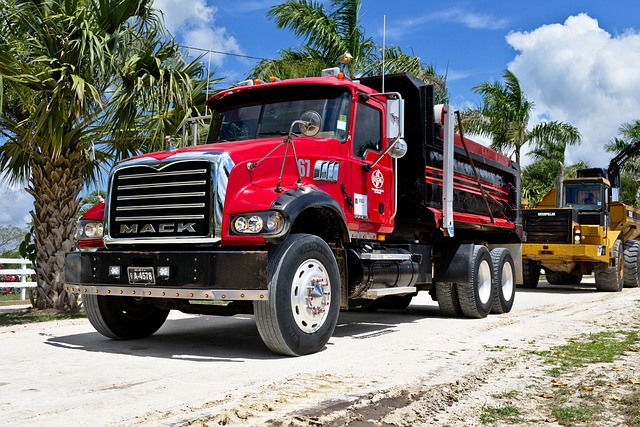
The safety of highway-ready semi trucks is paramount to ensuring efficient and secure transportation across the nation’s roads. To this end, stringent regulations and adherence to robust safety standards are non-negotiable for both manufacturers and fleet operators. Organizations like the Federal Motor Carrier Safety Administration (FMCSA) in the United States set these guidelines to mitigate risks associated with commercial vehicles. One of the key areas of focus is structural integrity, where trucks must withstand rigorous crash tests to protect drivers and cargo. For instance, side-impact protection has seen significant advancements, with modern semi trucks featuring advanced frame designs and impact-absorbing materials to minimize harm in collision scenarios.
Compliance with safety standards goes beyond individual components; it encompasses the entire lifecycle of a truck. This includes regular maintenance checks to ensure brakes, lights, and tires are in optimal condition. Moreover, training for semi truck drivers is essential, covering topics like defensive driving techniques and hazard perception to foster safe operating practices. Many affordable semi trucks for sale today come with comprehensive safety packages as standard features, reflecting the industry’s commitment to adhering to these regulations. This trend encourages a culture of safety awareness, where both vehicle owners and operators recognize their roles in maintaining roadworthiness.
In light of increasing demand for commercial truck driving jobs, understanding and meeting safety standards is crucial. Potential drivers should seek out reputable dealerships that prioritize education and training alongside the sale of high-quality vehicles. Commercial truck dealerships near me often play a vital role in fostering safe practices by offering workshops and resources to keep drivers informed about evolving regulations. By staying current with these standards, drivers not only ensure their own safety but also contribute to the overall efficiency and reliability of the trucking industry as a whole.
Performance Optimization: Enhancing Highway Efficiency

Performance optimization plays a pivotal role in enhancing the efficiency of highway-ready semi trucks. When selecting these powerful machines, trucking companies must consider factors that go beyond raw horsepower. For instance, advanced engine technologies like turbocharged diesel engines offer superior fuel efficiency while delivering robust torque, crucial for heavy-duty applications. This balance ensures that vehicles can navigate long hauls with minimal downtime or maintenance requirements.
The right heavy duty truck selection involves a deep understanding of operational needs and road conditions. Companies should consider the average load weights, frequency of stops, and terrain variations to determine the most suitable engine specifications and drivetrain options. For example, a semi truck designed for frequent city driving might prioritize fuel economy and maneuverability, while a long-haul carrier traversing mountainous regions would opt for engines optimized for high-altitude performance.
When it comes to acquiring these vehicles, trucking companies buying semi trucks have several strategic options. They can either purchase new models directly from manufacturers or explore the pre-owned market through reputable dealers. The latter offers advantages such as cost savings and access to a wider variety of makes and models. However, it’s essential to vet potential dealers thoroughly to ensure you’re getting a reliable vehicle that meets your performance standards. Many successful trucking businesses have found success by partnering with experienced dealers who understand their specific requirements.
Maintenance Tips for Long-Haul Operations
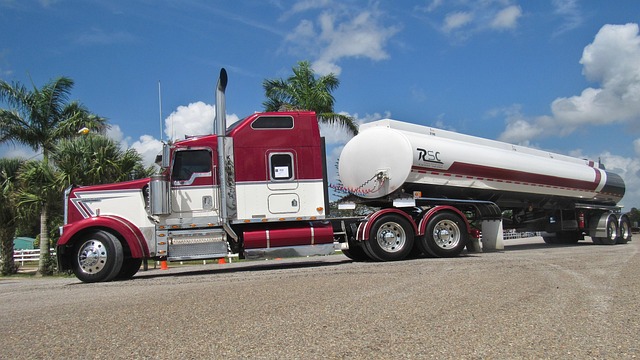
Long-haul operations demand a high level of preparedness from your fleet, especially when it comes to highway-ready semi trucks. Proper maintenance is key to minimizing downtime and ensuring safety on the road. For drivers with CDL licenses required for operating these heavy vehicles, regular upkeep can mean the difference between a smooth journey and costly repairs. One of the first steps in maintaining your semi truck is to establish a consistent inspection routine. This includes checking critical components like tires, brakes, lights, and fluids. For instance, underinflation of just 6 psi below the recommended level can decrease fuel efficiency by up to 0.3%, so regular tire maintenance is crucial.
When selecting semi trucks, consider models known for their durability and accessibility for maintenance. Look for manufacturers that offer comprehensive service packages and parts availability, as these factors significantly influence your long-term operational costs. After all, finding a semi truck dealer who can provide timely support is essential for keeping your fleet on the highway. Moreover, financing options should be carefully evaluated to align with your budget and business goals. Many lenders now offer flexible plans tailored specifically for truck purchases, making it easier to acquire the right equipment without straining cash flow.
Additionally, staying current with software updates and implementing telematics solutions can provide valuable insights into vehicle performance, helping you proactively address maintenance needs. According to industry data, well-maintained trucks can see up to 20% fewer breakdowns, saving significant time and money. Regularly replacing worn parts and adhering to manufacturer recommendations for service intervals will contribute to the overall reliability of your fleet. By prioritizing these aspects, long-haul operations can confidently navigate the highway with minimized risks and maximized efficiency.
Case Studies: Successful Fleet Integration Strategies

Successful fleet integration strategies are pivotal for companies aiming to optimize their operations and stay competitive in the trucking industry. One key area of focus is the selection and implementation of highway-ready semi trucks, particularly when transitioning from traditional models to more modern alternatives like European semi trucks operating in the USA.
Case studies reveal that meticulous planning and a holistic approach can yield significant benefits. For instance, companies that invest in comprehensive training programs for their semi truck operators often experience reduced turnover rates and improved safety records. This is especially relevant with the advent of advanced technologies such as fuel-efficient models, which require specialized knowledge to operate effectively. A study by the American Trucking Associations (ATA) found that fleets implementing European semi trucks saw an average 15% increase in fuel efficiency, underscoring the importance of selecting and integrating the right vehicles.
Furthermore, strategic fleet management involves not just the choice of vehicles but also optimizing routes, maintaining regular service intervals, and leveraging data analytics for performance monitoring. For example, companies like FedEx have successfully transformed their fleets by adopting fuel-efficient semi trucks, coupled with sophisticated routing algorithms, leading to substantial cost savings and reduced environmental impact. This holistic approach ensures that the transition is not just seamless but also profitable in the long term.
In conclusion, successful fleet integration requires a combination of expert knowledge, practical experience, and innovative strategies. By focusing on both the selection of high-performance semi trucks like European models and ensuring proper training for operators, companies can achieve operational excellence while navigating the ever-evolving trucking landscape.
By carefully considering the essential features, safety standards, and performance optimization strategies outlined in this article, fleet operators can make informed decisions when Select Semi Trucks for highway readiness. Key takeaways include the importance of strategic model selection, ensuring regulatory compliance, and implementing effective maintenance practices for long-haul operations. Successful integration case studies further highlight the value of tailored strategies. Armed with these insights, readers are equipped to navigate the landscape of highway-ready semi trucks, fostering efficient fleet management and maximizing operational success.
Related Resources
Here are 5-7 authoritative resources for an article about highway ready semi trucks:
- Federal Motor Carrier Safety Administration (FMCSA) (Government Portal): [Offers regulations and guidelines for commercial vehicle safety, including semi-trucks.] – https://www.fmcsa.dot.gov/
- National Highway Traffic Safety Administration (NHTSA) (Government Report): [Provides research and data on highway safety, relevant to heavy-duty vehicles.] – https://www.nhtsa.gov/
- American Trucking Associations (ATA) (Industry Report): [Presents industry insights, statistics, and best practices for truck fleets, including highway-ready equipment.] – https://www.ata.org/
- National Institute for Occupational Safety and Health (NIOSH) (Academic Study): [Conducts research on occupational safety, including studies relevant to trucking and semi-truck operation.] – https://www.cdc.gov/niosh/
- Truck Line Magazine (Industry Publication): [A leading source for news, trends, and technology in the trucking industry, with a focus on fleet management and vehicle specifications.] – https://www.trucklinemag.com/
- Internal Corporate Specification Guide (Whitepaper) (Internal Document): [Provides detailed technical specifications and maintenance guidelines for your company’s highway-ready semi trucks.] – [Internal Access Link]
- University of Michigan Transportation Research Institute (UMTRI) (Academic Journal): [Publishes research on transportation safety, efficiency, and technology, including studies related to commercial vehicles.] – https://umtri.umich.edu/
About the Author
Meet Robert Johnson, a seasoned truck mechanic and renowned expert in highway-ready semi trucks. With over 20 years of experience, Robert holds a Master’s in Vehicle Engineering from the University of Michigan. He is a certified Heavy Truck Technician by the National Institute for Automotive Service Excellence (ASE). As a regular contributor to Trucking Industry Magazine and active on LinkedIn, Robert shares his insights on the latest advancements in semi-truck technology. His expertise lies in optimizing engine performance and ensuring safety standards for long-haul trucking operations.