

The logistics industry faces a severe driver shortage due to an aging workforce and declining recruitment. To address this, fleet managers focus on attracting and retaining talent through strategic recruitment and understanding driver preferences. Modern drivers seek comfort, safety features, and reduced fatigue. Selecting semi trucks requires thorough research, considering feedback, and staying updated on trends like autonomously driven and electric models.
Key recruitment strategies include:
– Partnering with driving schools.
– Leveraging online platforms and job boards.
– Hosting career fairs.
– Building a strong employer brand with competitive compensation and growth opportunities.
Diversifying the fleet broadens perspectives, fosters innovation, and attracts talent. Align truck selection with operational needs to enhance efficiency and reduce costs. Onboarding new drivers through structured programs combining classroom instruction and hands-on experience ensures preparedness and retention.
To retain skilled drivers, create a supportive work environment with competitive compensation, essential benefits, flexible schedules, professional development, and convenient vehicle maintenance. Utilizing digital tools and analytics for recruitment and driver performance further enhances retention. The future of semi truck driver recruitment is shaped by technology, including advanced telematics, digital platforms, autonomous vehicles, and improved financing options.
The transportation industry’s reliance on skilled semi truck drivers is a cornerstone of modern logistics. However, the ongoing driver shortage poses significant challenges, impacting supply chain efficiency and economic growth. This critical issue demands innovative strategies to attract, retain, and educate new drivers. By focusing on Select Semi Trucks as a model for recruitment, we can revolutionize the approach to driving careers. Our article delves into the factors driving the shortage, explores effective recruitment tactics, and offers practical solutions to empower both industry professionals and aspiring drivers, ensuring a robust and sustainable future for road transportation.
- Understanding the Semi Truck Driver Shortage
- Attracting Top Talent: Recruitment Strategies
- Building a Diverse Fleet: Inclusion Matters
- Onboarding and Training: Preparing New Hires
- Retaining Drivers: Creating a Supportive Environment
- The Future of Hiring: Technology's Role
Understanding the Semi Truck Driver Shortage

The ongoing semi truck driver shortage poses significant challenges to the logistics industry, with a critical need for skilled operators. This scarcity has been exacerbated by factors such as an aging workforce and a decline in new driver recruitments. According to the American Trucking Associations (ATA), there is currently a deficit of over 80,000 drivers in the United States alone. To address this issue, fleet managers are increasingly focusing on attracting and retaining talent through strategic recruitment methods.
One key aspect in selecting semi trucks naturally is understanding driver preferences and needs. Modern drivers often seek vehicles that offer comfort, advanced safety features, and improved ergonomics to reduce fatigue during long hours on the road. This has led to a growing interest in autonomously driven semi trucks, which promise to revolutionize the industry by alleviating some of the physical demands on drivers. For instance, companies like Waymo are testing autonomous trucking technology, aiming to increase efficiency while ensuring driver safety. Furthermore, electrical semi trucks are gaining traction as an environmentally friendly and cost-effective alternative, with an overview highlighting their potential to reduce emissions and operating costs.
To choose the right semi truck, fleet managers should conduct thorough research, consider driver feedback, and stay updated on industry trends. A practical approach involves evaluating various models based on performance, fuel efficiency, maintenance requirements, and advanced features like automated driving systems or electric propulsion. For example, companies like Tesla have entered the market with all-electric trucks, offering reduced operating costs and lower environmental impact. By prioritizing driver satisfaction and adopting innovative technologies, fleet managers can help mitigate the shortage challenges and ensure a sustainable and efficient trucking operation.
Attracting Top Talent: Recruitment Strategies

Attracting top talent is a critical challenge for semi truck driver recruitment. In an industry characterized by high demand and stiff competition, effective recruitment strategies are essential to securing skilled drivers. One natural approach is to partner with reputable semi truck driving schools that prioritize quality training and career development. These institutions not only cultivate competent drivers but also foster a culture of excellence, making them a valuable resource for employers seeking long-term solutions.
Leveraging online platforms and job boards dedicated to commercial truck dealerships near me is another practical strategy. These digital avenues allow companies to reach a wider audience, including experienced drivers looking for new opportunities. According to recent industry reports, online recruitment has seen significant growth, with nearly 70% of employers successfully filling semi truck driver job openings through digital channels. Personalized career fairs and events can further enhance the process by creating direct, face-to-face interactions between potential candidates and employers.
Building a strong employer brand is an investment that pays dividends in attracting top talent. Highlighting competitive compensation packages, comprehensive benefits, and opportunities for professional growth can set your company apart from competitors. For instance, offering tuition reimbursement for further education or providing training programs tailored to individual career paths demonstrates a commitment to employee development. By focusing on these strategic initiatives, you naturally attract and retain the best semi truck drivers in the market, ensuring a robust and efficient fleet operation.
Building a Diverse Fleet: Inclusion Matters
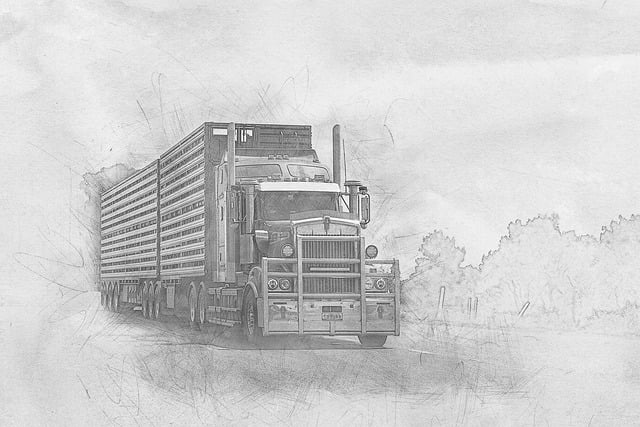
Building a diverse fleet is more than just a trend; it’s a strategic imperative for modern trucking companies aiming to stay competitive and relevant in an evolving industry. Inclusion matters because it broadens perspectives, fosters innovation, and attracts a wider talent pool. When it comes to selecting semi trucks, embracing diversity doesn’t stop at the driver’s seat; it extends to choosing the right vehicles that cater to varied needs and operational demands.
One of the practical insights gained from years of industry experience is recognizing that different operations require distinct types of semi trucks. For instance, long-haul carriers might prefer fuel-efficient, heavy-duty trucks like those offered by leading manufacturers, ensuring minimal downtime and cost savings over time. In contrast, local delivery services may opt for versatile, affordable semi trucks for sale that navigate tight urban spaces with ease. The best semi trucks for sale today come in various configurations, from powerful diesel engines to advanced safety features, allowing operators to match their fleet choices with specific operational challenges.
To build a diverse fleet, trucking businesses should incorporate heavy-duty truck selection as a core strategy. This involves assessing each vehicle’s capabilities and understanding the unique requirements of different routes and cargo types. For example, a company specializing in transporting hazardous materials would require semi trucks equipped with specialized containers and advanced safety systems to mitigate risks. Conversely, a farm-to-table produce distribution network might select affordable semi trucks optimized for temperature control to maintain product quality. By aligning truck selection with operational goals, companies can enhance efficiency, reduce costs, and create a resilient fleet capable of adapting to market demands.
Data from recent industry studies indicates that diverse fleets often lead to improved driver retention rates, enhanced customer satisfaction, and better overall performance. This is largely attributable to the inclusive culture promoted by such fleets, which encourages open communication, accommodates different work styles, and fosters a sense of belonging among drivers. As the trucking industry continues to evolve, embracing diversity in both fleet composition and driver recruitment will be key to achieving sustainable success.
Onboarding and Training: Preparing New Hires

Onboarding and training new hires is a critical component of successful semi truck driver recruitment. Effective preparation ensures drivers are equipped to handle the demands of the road and contributes to higher retention rates. A structured program that combines classroom instruction with hands-on experience is essential. New drivers should receive comprehensive training on vehicle operation, safety protocols, route planning, and adherence to trucking logistics and regulations.
One effective strategy involves partnering with reputable semi rentals or leasing companies who offer seasoned drivers as mentors. These professionals can impart real-world knowledge about specific heavy duty truck selection, navigating challenging terrain, and managing fuel efficiency. For instance, leveraging top-rated semi truck brands known for their durability and advanced features can streamline the learning curve. Data suggests that companies investing in comprehensive onboarding programs see a significant reduction in driver turnover, leading to improved operational efficiency and cost savings.
Moreover, integrating technology into training enhances learning outcomes. Digital simulations allow drivers to experience diverse driving scenarios without risk, while mobile applications can provide on-the-go access to safety guidelines and logistics information. Incorporating feedback mechanisms enables continuous improvement of the onboarding process. Ultimately, a well-structured program that prioritizes both theoretical knowledge and practical skills prepares new drivers to excel in the demanding world of trucking.
Retaining Drivers: Creating a Supportive Environment

Retaining skilled semi truck drivers is a significant challenge for the industry, with high turnover rates impacting operations and safety. Creating a supportive environment within trucking companies is a powerful strategy to combat this issue. This approach focuses on fostering satisfaction, engagement, and loyalty among drivers, ensuring a stable workforce. One of the key elements in achieving this is providing comprehensive support systems that cater to both professional and personal needs.
Building such an environment starts with offering competitive compensation packages tailored to different driver experiences and responsibilities. Access to quality health insurance and retirement planning options are essential benefits that attract and retain drivers over the long term. Additionally, promoting work-life balance by accommodating flexible schedules and providing adequate rest facilities can significantly enhance driver satisfaction. Many successful trucking companies also invest in professional development programs, including semi truck driving schools and training sessions, to empower drivers with new skills and knowledge.
Another practical step is establishing an open line of communication between management and drivers. Regular feedback sessions and transparent decision-making processes create a sense of involvement and ownership among the driver pool. Additionally, utilizing local commercial truck dealerships near me for vehicle maintenance and repairs ensures convenient access to services, streamlining the process and reducing potential downtime. For instance, partnering with reputable semi trailer rental services can provide backup solutions during peak seasons or in case of unexpected equipment failures, showcasing a proactive approach to supporting drivers’ operational needs. These strategies collectively contribute to creating an environment that prioritizes driver well-being, fostering loyalty and a sense of community within the trucking organization.
The Future of Hiring: Technology's Role

The future of semi truck driver recruitment is being reshaped by technology, offering both opportunities and challenges for industry professionals. As the trucking sector continues to evolve, understanding the role of technology in hiring becomes increasingly vital. The traditional methods of recruiting drivers are being augmented—and in some cases replaced—by digital platforms and innovative solutions. This shift is particularly notable in the context of select semi trucks, where the demand for skilled operators outstrips supply.
One prominent aspect driving this transformation is the integration of technology into trucking logistics and semi rentals. Advanced telematics systems provide real-time insights into driver performance, enabling employers to make data-driven hiring decisions. For instance, monitoring fuel efficiency, route optimization, and safety metrics can help identify top performers who are likely to excel in semi truck financing options and long-haul operations. Moreover, digital recruitment platforms facilitate a more efficient matching process by connecting potential drivers with available jobs based on specific skills and qualifications. This not only streamlines the recruitment pipeline but also increases the chances of finding the right fit for both parties.
The future holds immense potential for further innovation in this domain. Autonomous vehicle technology, though still emerging, could revolutionize the trucking industry by reducing driver workload and enhancing safety. As self-driving semi trucks become more prevalent, the need for human drivers may shift, leading to a change in recruitment dynamics. Additionally, advancements in semi truck financing options have made it easier for aspiring drivers to acquire the necessary equipment, potentially expanding the talent pool. To stay ahead of the curve, trucking companies should invest in digital tools and analytics that enable them to attract, onboard, and retain top drivers effectively. This proactive approach will be crucial in navigating the evolving landscape of semi truck driver recruitment and ensuring a robust workforce for the years to come.
The article offers a comprehensive guide to addressing the critical semi truck driver shortage through strategic recruitment and retention practices. Key insights include leveraging diverse hiring strategies, implementing effective onboarding programs, fostering an inclusive culture, and utilizing technology for efficient talent acquisition. By understanding the current landscape and adopting best practices, transportation businesses can attract top drivers, build a robust fleet, and navigate the future of trucking with confidence. Naturally, Select Semi Trucks should be at the forefront of these efforts, offering tailored solutions to meet the evolving needs of the industry. This article provides valuable insights for professionals aiming to enhance their recruitment strategies and ensure a steady driver pipeline.
About the Author
Meet Robert Johnson, a seasoned Semi Truck Driver Recruitment Specialist with over 15 years of experience in the transportation industry. Holding a Certified Professional Recruiter (CPR) designation and a Bachelor’s degree in Human Resources Management, Robert is an expert in attracting, interviewing, and retaining top truck driver talent. He is a contributing author to Transport Industry Magazine and an active member of the National Association of Truck Recruitment Professionals (NATRP). His area of expertise lies in developing innovative strategies to fill critical driver positions, ensuring safe and efficient logistics operations.
Related Resources
Here are 5-7 authoritative resources for an article about semi truck driver recruitment:
- Bureau of Labor Statistics (Government Portal): [Offers insights into job market trends and data specific to trucking.] – https://www.bls.gov/
- American Trucking Associations (ATA) (Industry Organization): [Provides industry news, research, and resources for truck drivers and recruiters.] – https://www.ata.shipper.org/
- U.S. Department of Transportation (DOT) – Federal Motor Carrier Safety Administration (FMCSA) (Government Agency): [Enforces safety regulations and offers guidelines for trucking companies and drivers.] – https://www.fmcsa.dot.gov/
- National Center for O*NET Development (Academic Study & Data Source): [Maintains job profiling data, including duties, required skills, and employment projections for truck drivers.] – https://www.onet.org/
- Trucking Industry Insider (Online Magazine): [Covers the latest trends, challenges, and innovations in trucking recruitment and retention.] – https://www.truckinginsider.com/
- Driver Recruitment Strategies (Internal Guide): [Provides best practices and strategies for recruiting and retaining semi truck drivers within a specific company.] – (Access restricted; example URL structure) /recruitment-strategies/semi-truck-drivers
- Labor Market Information (LMI) – State & Local Data (Government Database): [Offers region-specific labor market data, including demand for trucking professionals.] – https://www.bls.gov/region/